
Apple has always been as disciplined about theater as it is about silicon. For two decades, its product introductions have been orchestrated like clockwork, from the early Macworld keynotes to the modern Apple Park films that turn a quarterly hardware refresh into a global media event. That is why the company’s newly announced March 4, 2026 “special Apple Experience”, staged simultaneously in New York, London, and Shanghai, deserves to be read as a story about process as much as product. Apple is signaling that its spring hardware season may begin with hands-on intimacy rather than maximal broadcast spectacle, and the invitation’s unusually colorful design hints that the first act could be aimed squarely at the mass market.
The company has not publicly confirmed a keynote stream, and the language matters. Apple called this an “experience,” not an “event,” which in Apple’s lexicon typically translates to controlled demos, curated briefings, and carefully managed first impressions rather than a two-hour stage show. That distinction is subtle but important. Apple has been experimenting for years with smaller-format press sessions and creator-focused gatherings, often used to seed early narratives around products that need tactile appreciation, such as display improvements, new materials, or user-facing features that do not translate well through specs alone. A multicity setup expands that concept, multiplying the number of journalists and creators who can get time with hardware without forcing everyone into Cupertino. In practice, it also means Apple can set the tone of coverage across regions, while retaining the option to drop traditional press releases on its own schedule.
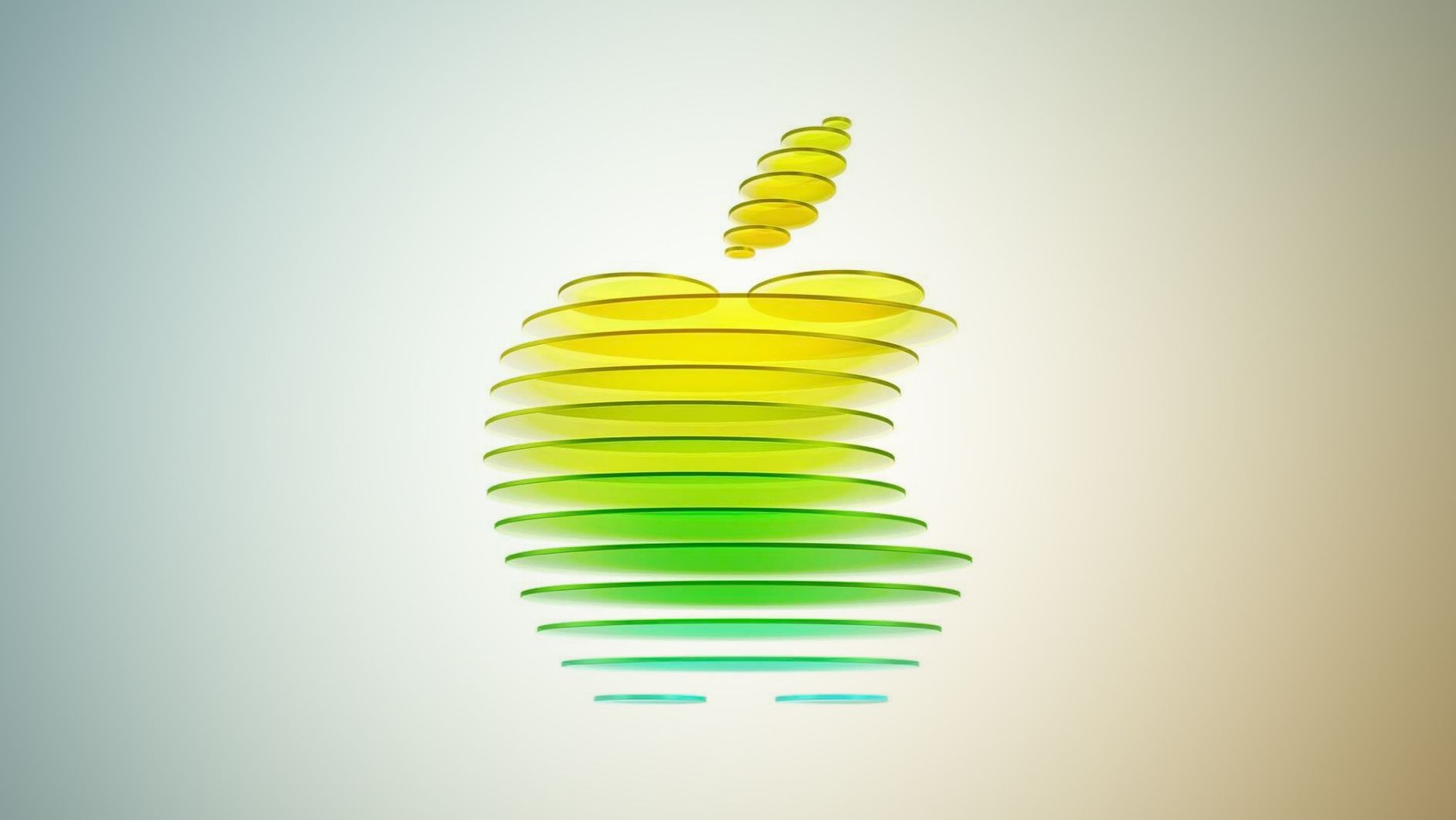
What, then, is likely to be worth this format? MacRumors’ preview of the March 4 gathering frames the leading candidate as a lower-cost MacBook, a product that would be as much about strategy as engineering. The invitation graphic, built from layered yellow, green, and blue discs, has immediately been interpreted as a color tell. Apple has a history here. The company has occasionally used invitation graphics as coded previews, and those who track Apple’s marketing language have learned to treat these visuals as a kind of controlled leak. In this case, MacRumors notes the color palette lines up with rumored finishes for a new entry-level Mac, with additional reporting suggesting Apple has tested several brighter colorways beyond the traditional silvers and grays.
If Apple truly is preparing a MacBook built around an iPhone-class chip, it would be a remarkably full-circle moment. Apple’s modern era is defined by vertical integration, and few decisions illustrate that better than the Apple silicon transition. When Tim Cook approved the shift away from Intel, he was betting that Apple’s internal chip roadmap could outpace the cadence of a third-party supplier and deliver tighter performance-per-watt benefits. Under Johny Srouji, Apple’s silicon group has quietly become one of the company’s most consequential teams, turning Macs into platforms that can be iterated with the same relentless regularity as iPhones. The rumored move, bringing an iPhone processor into a Mac notebook positioned below the MacBook Air, would take that integration to its logical extreme, using Apple’s most mature chip volume pipeline to open a new price band.
Historically, Apple has attempted “entry” notebooks before, but with mixed results. The iBook was iconic and colorful, but its era was defined by slower CPUs and compromises that were acceptable in a less demanding web. The 12-inch MacBook of 2015 remains one of Apple’s most debated products, admired for its design discipline and criticized for performance, port limitations, and a keyboard that became synonymous with Apple’s willingness to prioritize thinness over long-term usability. A modern entry-level MacBook, if built around a contemporary iPhone-class chip and paired with the lessons Apple learned about thermal envelopes and battery management, could avoid those pitfalls. It could also revive something Apple has not emphasized in years, a Mac that is not defined by being “pro” or “air,” but by being approachable.
The timing is not accidental. Apple’s invitation lands just before Mobile World Congress, and commentators have noted that the March 4 date intersects the industry’s busiest early-spring hardware week. That could be a defensive play to claim mindshare while competitors dominate the Barcelona headlines, but it could also be a broader shift in cadence. Apple, unlike many rivals, is not forced into trade-show product cycles. Yet in recent years, as AI features and subscription ecosystems have accelerated platform competition, Apple has had to be more responsive. A multicity “experience” that can be executed quickly, repeated, and scaled offers Apple flexibility. It can place product news into the market at moments that disrupt competitors’ attention rather than aligning with Apple’s historical calendar traditions.
Of course, this story is not just about a potential new MacBook. The March 4 “experience” is widely expected to function as the opening of Apple’s spring refresh cycle. MacRumors’ event preview suggests other plausible announcements, including an iPhone 17e and new iPads. The reason those rumors are resonating is that Apple’s product lines are currently in a period of pragmatic consolidation. The company has spent the last few years rationalizing ports, standardizing USB-C across categories, and pushing Apple Intelligence across hardware tiers. That creates a new kind of pressure on entry devices. If Apple Intelligence is meant to be a platform-wide differentiator, Apple must either move capable chips into more affordable products or accept that its AI message will be fragmented by price. A refreshed entry iPad or a more accessible iPhone model becomes, in that light, not merely a routine update but a strategic requirement to keep the ecosystem’s capabilities coherent.
For consumers, the implications could be significant. A lower-cost MacBook that still carries modern macOS compatibility and strong battery life would change the math for students, families, and first-time Mac buyers, particularly those who currently default to Chromebooks or midrange Windows laptops. The competitive set here is not the premium ultrabook market where the MacBook Air has carved out a clear identity, but the broad band where shoppers care about price, reliability, and longevity more than benchmarks. Apple has historically relied on resale value and long software support as quiet selling points. A product designed to hit a lower price while preserving those advantages could widen Apple’s funnel. It would also offer a more compelling companion device for iPhone users who have never felt the Mac was within reach.
For developers, an entry-level Mac anchored by Apple-designed silicon would be equally interesting. Apple has been steadily tightening the relationship between iOS and macOS, from Catalyst to Apple Silicon’s shared architecture and the way iPhone and iPad apps increasingly coexist with Mac workflows. If Apple pushes more Macs into the market at a lower price, it expands the addressable base for Mac software and services, and it strengthens Apple’s argument that the ecosystem is unified at the chip level. It also nudges developers to think more carefully about performance scaling, because an iPhone-class chip in a Mac may deliver excellent efficiency but could differ from higher-end Mac silicon in sustained workloads. Apple’s platform story becomes richer, but developers will want clarity on where the new notebook sits in the lineup and what expectations Apple sets around pro-grade tasks.
Competitors should be paying attention, too. The Windows ecosystem has been pursuing its own performance-per-watt renaissance through Arm-based PCs, and Qualcomm’s push into always-connected laptops has been framed as a direct challenge to Apple’s Apple silicon advantage. A lower-cost MacBook that still feels fast in everyday use would force Windows OEMs to confront a familiar problem, Apple can redefine “good enough” at the low end and still win on perceived quality. At the same time, Google’s Chromebook strategy has long depended on low prices and manageable performance ceilings. If Apple uses silicon scale to pull a Mac into that conversation, it risks reshaping how schools and budget-conscious buyers evaluate device fleets, especially in districts that already issue iPads.
What about Apple’s internal leadership context? This moment fits Tim Cook’s Apple, operationally disciplined, globally minded, and increasingly comfortable with diversified launch formats. Cook’s tenure has been marked by supply chain mastery and a willingness to expand Apple’s services and ecosystem, sometimes at the expense of the old showman instincts that defined the Jobs era. The March 4 multicity arrangement looks like a Cook-era optimization, bring the message closer to key media markets, reduce travel friction, and maximize local resonance. Meanwhile, Craig Federighi’s software organization has been tasked with making Apple Intelligence and platform features feel consistent across devices, which again supports the thesis that entry-level hardware must be upgraded to keep Apple’s software narrative intact.
The biggest unanswered question is how Apple will present the news. If there is no livestream, we should expect the March 4 story to unfold through a combination of press releases and first-hand impressions, a strategy that can be more effective than a keynote when Apple wants the tactile experience, screen quality, build feel, and battery messaging to lead. The hands-on approach also gives Apple a way to control early framing, particularly if the products are evolutionary on paper but persuasive in use. It is also possible Apple is reserving its bigger storytelling for later in the year, using March as a practical refresh cycle rather than a grand narrative moment.
Stepping back, the March 4 “Apple Experience” reads like a signpost. Apple is preparing to ship more products, to more people, with more consistent platform capabilities, and to tell those stories through formats that match the product’s intent. If the rumored colorful, entry-level MacBook arrives, it will not just be another notebook. It will be an attempt to widen the Mac’s cultural footprint again, to bring the platform to buyers who have been priced out, and to leverage Apple’s silicon advantage in a part of the market where competitors have historically competed on cost rather than cohesion. And if the event also serves as the staging ground for iPhone and iPad updates, it will reinforce the idea that Apple’s spring is less about a single hero product and more about ecosystem momentum.
March 4 is not far away, and Apple has given us just enough to understand the posture without revealing the payload. That, as any veteran Apple watcher will tell you, is the point.