
Apple’s 2025 story is starting to look less like a collection of isolated product updates and more like a single, coordinated push: faster on-device compute, tighter control of the wireless stack, and Apple Intelligence moving from “nice-to-try” into “built-in.” If you have been wondering what actually changed this year beyond the usual camera talk, the iPhone 17 Pro announcement is a good place to start because it reveals where Apple is spending its engineering budget.
On September 9, 2025, Apple introduced iPhone 17 Pro and iPhone 17 Pro Max, and the headline is not only the A19 Pro. Apple is also leaning hard into sustained performance and efficiency, which is a very deliberate shift for phones that increasingly do heavier work on-device. Apple describes a new brushed aluminum unibody approach and a vapor chamber system aimed at moving heat away more effectively, which is the kind of detail you typically only hear when a company expects users to push the silicon longer and harder than before.
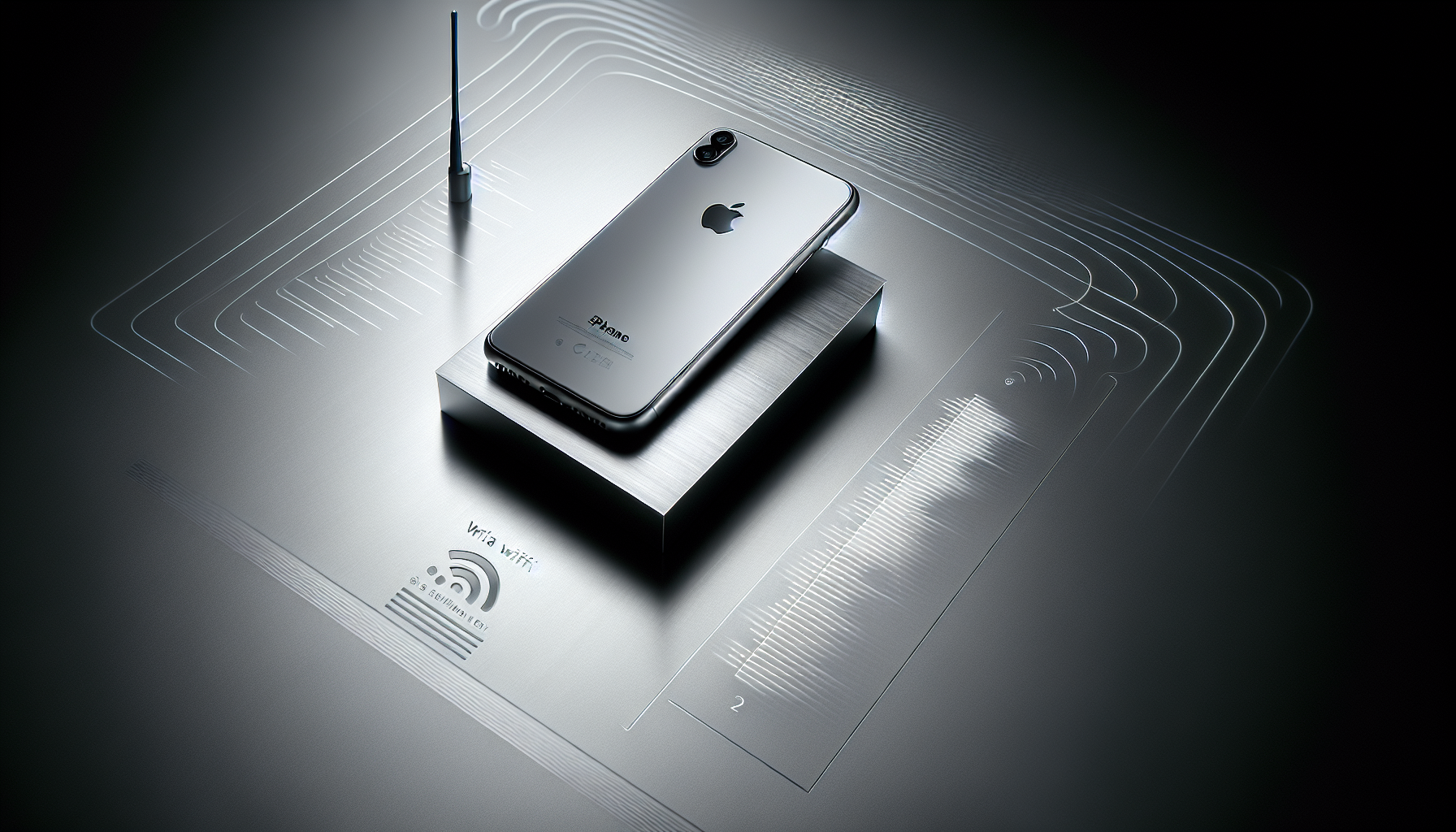
The other major detail that deserves more attention is Apple’s new N1 wireless networking chip. Apple says N1 enables Wi‑Fi 7, Bluetooth 6, and Thread, and also improves performance and reliability for things like Personal Hotspot and AirDrop. This matters because Apple has been steadily pulling more key components in-house, and wireless is one of the areas where end-to-end control can translate into real-world benefits like better power efficiency, more consistent throughput, and fewer weird edge cases when you move between networks or devices.
If you are deep in the Apple ecosystem, you can probably feel why this is important. Better local performance and better wireless are not separate goals. They reinforce each other. The more your iPhone can do privately on-device, the more it still needs great connectivity for the moments it does go to the cloud, sync across devices, or hand off tasks to your Mac or iPad. And if Apple is serious about more “ambient” features that run in the background, battery and thermals become the real battlefield.
Software is following the same trajectory. Apple’s direction with Apple Intelligence is becoming clearer over time: it is being treated less like an experiment and more like a default capability of compatible devices. Earlier reporting around iOS 18.3 and macOS Sequoia 15.3 indicated Apple Intelligence would be enabled automatically on supported hardware, with an option to turn it off in settings. That kind of default behavior is a signal. Apple wants these features to be experienced, not merely discovered by power users who love toggles.
There is also a subtle product-planning implication here for buyers. If you are shopping iPhone, iPad, or Mac right now, the “best value” conversation is no longer just about CPU speed or camera lenses. It is increasingly about which devices support Apple Intelligence features you will actually use over the next two years and how well those devices will hold up under longer, more demanding workloads. This is where cooling design, efficiency, and wireless reliability start to matter more than a spec sheet screenshot.
My takeaway for Church Of Apple readers is simple: the most interesting Apple news is not a single feature. It is the pattern. Apple is building a foundation where the iPhone is more capable on its own, more dependable when it needs to connect, and more ready to run “smart” features continuously without feeling fragile or draining your battery by lunchtime. Whether you are planning an upgrade now or later, that is the trend worth tracking.
We will keep watching how N1 shows up in real-world testing, how Apple Intelligence defaults evolve across regions and devices, and what this all means for iPad and Mac workflows in 2026. For now, iPhone 17 Pro is a strong signal that Apple’s next era is about sustained performance plus system-level integration, not just peak benchmarks.