
There is a particular kind of comfort in maintenance, the steady hand that tightens a hinge long after the house has stopped being fashionable. This week, Apple offered that comfort to the devices that rarely headline keynotes anymore, releasing iOS 16.7.15 and iPadOS 16.7.15, alongside iOS 15.8.7 and iPadOS 15.8.7. The update is not a new chapter full of plot twists, it is something more mature, an editor’s pass that removes dangerous ambiguity from the margins.
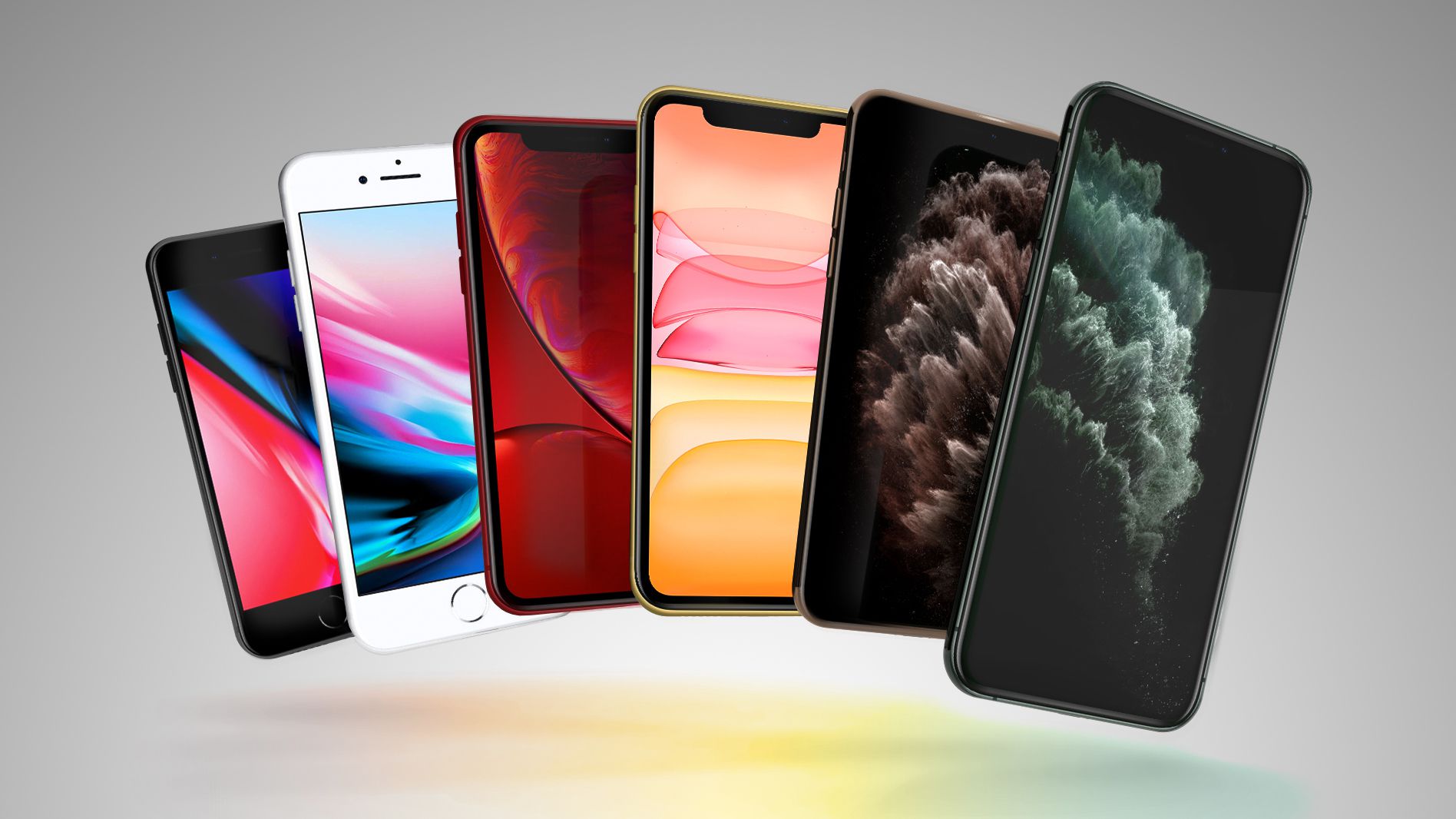
The practical message is simple: if your iPhone or iPad cannot move forward to the newest generation of iOS and iPadOS, it still should not be left behind. These updates are designed for older hardware, and Apple’s own release notes describe them in the language that matters most in a connected life, important security fixes. The poetry is in that restraint. No fireworks, no glossy marketing verbs, just the quiet insistence that your device, and therefore your data, remains worthy of protection.
Installing the update is the same familiar ritual, open Settings, tap General, choose Software Update. For anyone who has enabled automatic updates, the process is even more like liturgy, performed in the background while you live your day. This is one of Apple’s more underappreciated design decisions: security, when done well, should not require heroics. It should require only consent.
What makes this moment feel especially consequential is not merely that updates exist, but that they arrive for platforms the industry often treats as disposable. Apple’s ecosystem can be criticized for its walled garden aesthetics, yet here the walls function as windbreaks. A modern exploit does not care whether your phone is sentimental, secondary, or simply all you can afford. By pushing security patches to older branches of iOS and iPadOS, Apple is, in effect, extending the definition of “supported” beyond marketing cycles and into something that resembles civic responsibility.
In technical terms, these releases are about aligning older software lines with protections already delivered elsewhere, closing doors that attackers have learned to test. In human terms, it is a reminder that longevity is a feature, too. We talk about battery health and trade in values because they are measurable, but the more intimate measurement is trust: how long a company continues to care for the objects that have been holding our photographs, messages, and small personal archives of daily life.
For the Church Of Apple, this is not a miracle, it is a doctrine. The glamorous announcements teach us what devices can become. The quiet updates teach us what devices are, companions that deserve to be kept safe, even when the spotlight has moved on.