

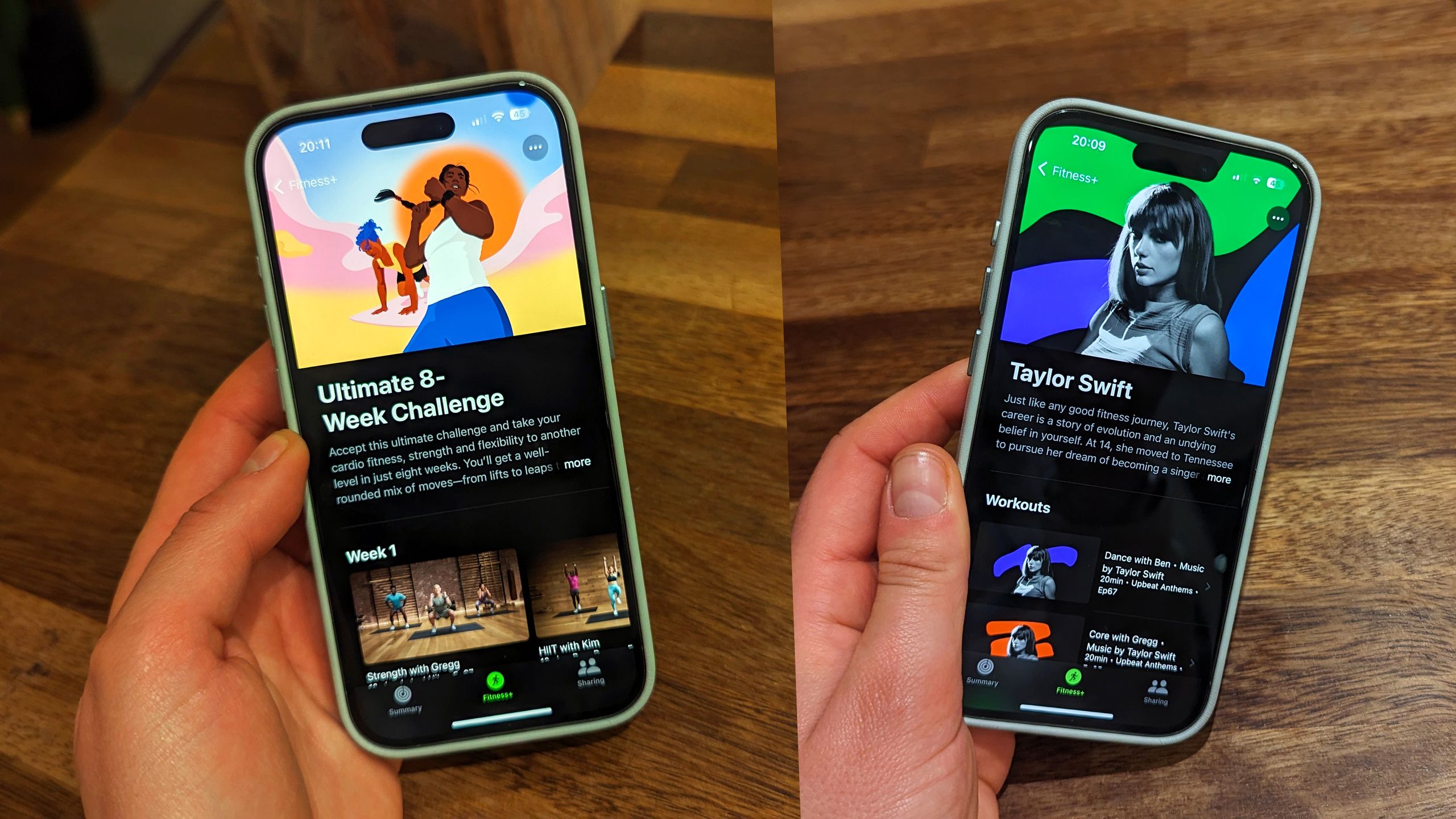
Apple has begun 2026 by expanding Apple Fitness+ with a set of structured workout programs designed to build consistency, rather than merely adding incremental class variety. The most notable change is the introduction of multi-week training formats across core modalities such as Strength, HIIT, and Yoga, accompanied by a refreshed pipeline of ongoing series content. This is a service-level product decision, not a hardware announcement, but it aligns closely with Apple’s broader objective of increasing recurring services revenue while reinforcing the Apple Watch as an engagement anchor.
Historically, Fitness+ has competed on production quality, instructor familiarity, and tight integration with Apple Watch metrics. However, premium content alone does not guarantee durable subscriber retention, particularly in a category where novelty fatigue and seasonal usage patterns are common. By shifting toward a programmatic structure, Apple is addressing a predictable behavioral constraint, many users struggle to convert intention into habit. A fixed training sequence can reduce decision overhead, set expectations, and create measurable progress markers that encourage continuation.
From a positioning standpoint, this approach moves Fitness+ closer to the playbook used by specialized digital fitness platforms that emphasize progressive plans and adherence systems. Apple’s advantage is distribution and integration. Fitness+ is tightly bundled with Apple One, frequently offered via device-linked trials, and reinforced by Watch-based rings and notifications. A structured program layer makes those existing mechanics more commercially effective, because it gives engagement prompts a clearer purpose and timeline.
The service implications are meaningful. First, multi-week programs can improve cohort retention by aligning the product to month-to-month subscription cycles and by creating natural milestones that discourage cancellation mid-program. Second, it provides Apple with a framework to segment users by goals and fitness maturity, enabling more targeted recommendations and, potentially, higher lifetime value without raising headline pricing. Third, it strengthens Apple’s broader narrative that services are not merely add-ons, they are operationally managed products with roadmap discipline and measurable outcomes.
In practical terms, this update also reinforces Apple’s ecosystem strategy: hardware remains the acquisition engine, while services are increasingly optimized for retention and attachment. Fitness+ is particularly well-suited for this role because it depends on Apple Watch integration for differentiation, and it benefits from New Year demand spikes when users are most receptive to structured plans. The measured conclusion is that Apple is not attempting to redefine digital fitness, but it is improving the product economics by focusing on adherence and churn reduction, which is the more consequential lever for long-term services performance.