
Apple’s 2025 story has two loud themes that do not always play nicely together: bigger, smarter hardware on one side, and a growing list of governments and courts asking Apple to loosen its grip on the iPhone ecosystem on the other.
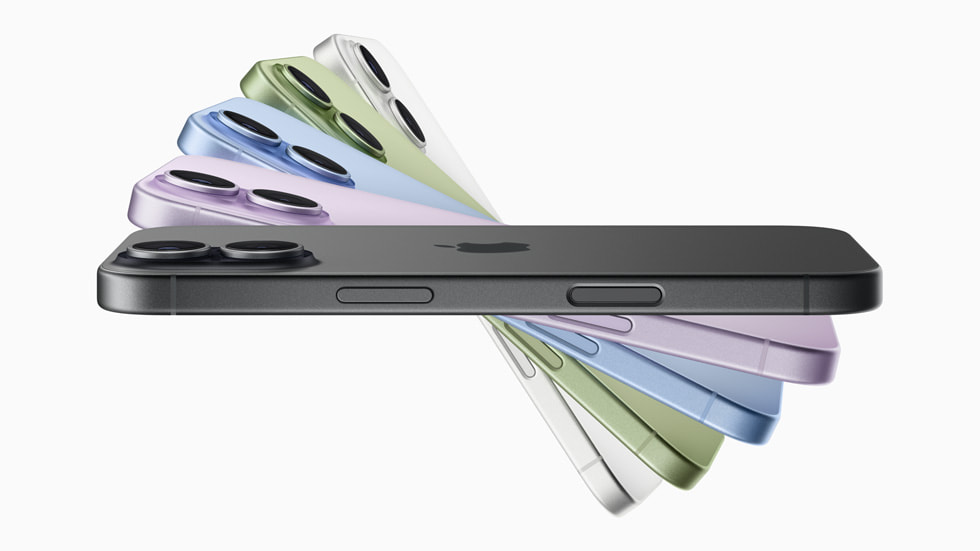
If you bought an iPhone this fall, the iPhone 17 pitch is pretty clear: more camera everywhere, smoother screen everywhere, and faster everything everywhere. Apple leaned hard into the idea that “everyday” features should feel premium, like a front camera that stays locked on you for selfies and calls, and a camera system that aims to make wide shots and macro photos look less like a compromise. It is also a very “2025 iPhone” in the sense that the device is built to be a platform, not just a phone, with iOS 26 and new on-device intelligence features sitting right at the center of the experience.
Meanwhile, Apple’s Mac and iPad strategy has turned into a quiet flex: take the silicon gains you normally expect from a yearly chip update, then aim those gains directly at modern workflows. The new 14-inch MacBook Pro with M5 is positioned as a laptop that can push on-device AI tasks harder while staying portable, with battery life that makes “bring the charger” feel optional again. The iPad Pro with M5 follows the same logic, leaning into power that supports creative work and heavier multitasking without turning the tablet into something that feels like a compromise.
But hardware headlines are only half the plot. The other half is that the rules around distribution and payments are getting more complicated, more local, and more political. Japan is a big example: Apple is introducing iOS changes there that open up new options for app distribution and payments, including alternative app marketplaces. Apple is also framing this shift around safety and security, with new processes meant to reduce risks like malware and scams. Whether you love or hate the idea of alternative marketplaces, this is the kind of change that rewires how the iPhone works in a specific country, and it is hard to imagine it staying a “Japan-only story” forever.
In the UK, the App Store conversation is also heating up again, with Apple seeking to appeal a major ruling tied to claims about commissions and overcharging. These cases can take time, but the direction is obvious: the App Store is no longer just a store. It is a policy battleground that affects consumers, developers, and Apple’s services business all at once.
So where does that leave regular humans who just want their tech to behave? Probably right in the middle of a transition year. iPhone 17 feels like Apple polishing the “daily driver” experience, while M5 Macs and iPads show Apple doubling down on the idea that powerful computing should still be thin, quiet, and battery-friendly. At the same time, Apple is being pushed to offer more choices in how apps are distributed and paid for, at least in some regions, and that will change the texture of iOS over time.
If 2025 was the year Apple shipped the upgrades, 2026 looks like it could be the year Apple has to ship the compromises too. The interesting question is not whether Apple will keep making great hardware. It is whether Apple can keep the iPhone experience feeling simple while the business and legal framework underneath it becomes anything but.
What was your most “Apple in 2025” moment: a camera upgrade you actually noticed, a Mac that finally stopped making fans your soundtrack, or a new rule that changed how you install or pay for apps?