
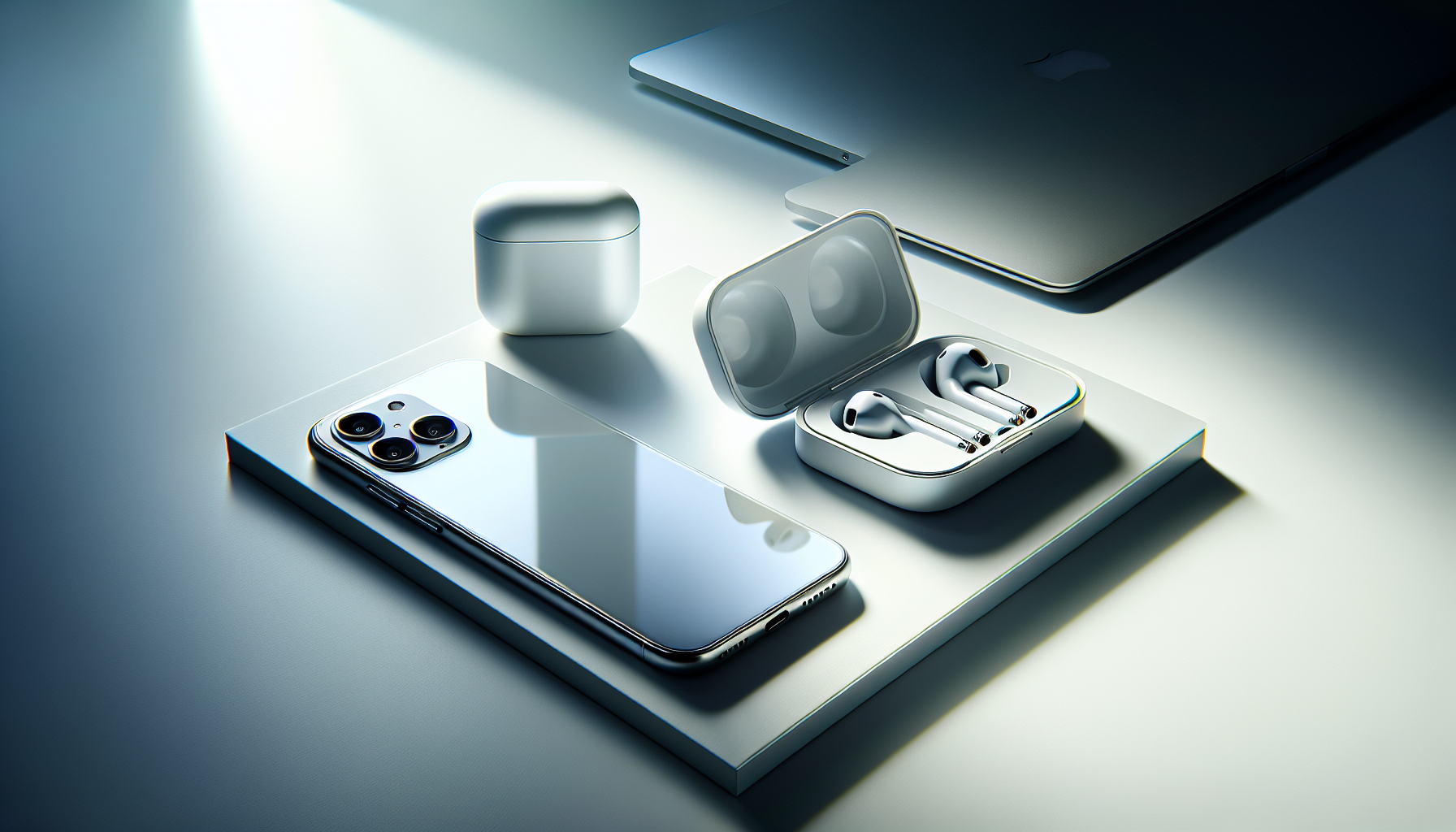
Apple’s 2025 story is not just about shiny new hardware. It is about Apple drawing a line under the old era and pushing the ecosystem into a cleaner, more modern baseline. If you have been feeling that the upgrade math is getting harder each year, you are not imagining it. The good news is that a few 2025 releases and shifts make the decision clearer than usual, especially around iPhone 17 Pro, AirPods Pro 3, and the M4-era MacBook Pro.
Let’s talk about what is actually new, what feels genuinely meaningful in daily use, and what you should watch out for if you buy now.
The headline iPhone release this year was iPhone 17 Pro and iPhone 17 Pro Max. Apple is clearly betting that “Pro” buyers want flexibility and consistency more than gimmicks, and it shows in the camera direction. The big idea is a three-camera 48MP system that leans into higher resolution across the board, with a new Telephoto approach that aims to expand what you can capture without making you fight the camera app. Even if you are not shooting for clients, this matters because it improves the boring stuff too: indoor family photos, pets that move fast, and quick clips that look clean without a lot of editing.
Video is where Apple is applying the most pressure. If you are the person in your group who always ends up filming events, the Pro-focused video tools are not just marketing. The more Apple improves capture consistency, the more it reduces your time fixing footage later. It also keeps iPhone firmly in the “serious camera you always have with you” lane.
Now the part that will surprise exactly nobody: the best iPhone feature is often the one that makes you think less. This year, that shows up in the way Apple is tightening the experience across devices, especially as Apple Intelligence features become more common in day-to-day workflows. If you live in Notes, Mail, and Messages and you are constantly juggling details, the value is not one killer feature. It is a smoother chain from idea to action to follow-up.
On the audio side, AirPods Pro 3 are the other major 2025 release that feels like a platform shift. Apple is positioning them as more than earbuds, with features that blend personal audio, health-adjacent sensing, and real-time assistive experiences. The idea is compelling: earbuds that can help with face-to-face communication and workout tracking while still being your daily carry for calls and music.
But here is the real-world asterisk: some early owners have reported static and whistling issues that appear intermittently, even after firmware updates. That does not mean you should avoid them outright, but it does change how you buy. If you are sensitive to audio artifacts, or if you rely on Active Noise Cancellation for commuting and focus work, you should test them aggressively inside your return window and keep expectations realistic until the firmware story settles.
On the Mac side, the M4-generation MacBook Pro continues Apple’s trend of making the Pro machine less about “can it do the job” and more about “how comfortably can it do the job for hours.” Connectivity gets a meaningful lift on higher-end configurations, and the overall pitch is a familiar one: more performance headroom, better sustained workflows, and a display and camera setup that makes remote work feel less like a compromise.
If you are deciding between upgrading your iPhone or your Mac first, here is a practical way to think about it. Upgrade your iPhone if your camera is central to your life, if your battery health is annoying you daily, or if you want the cleanest experience with Apple’s newest software features. Upgrade your Mac if your computer is the bottleneck for making money or finishing projects, meaning you notice lag, heat, or memory pressure every week.
And then there is the trend that quietly affects everyone: Apple’s ongoing cleanup of the lineup. Across 2025, a lot of older models and legacy designs have been pushed out. Whether you love or hate that, it is a signal. Apple wants a simpler product matrix, fewer old connectors, fewer holdouts, and a more consistent baseline for features. That is good for long-term software support and accessory compatibility, but it also means bargain hunting gets riskier if you do not know what you are buying.
If you want the most confidence-per-dollar at the end of 2025, focus on the current generation where Apple is clearly investing its attention: iPhone 17 Pro if you care about camera and video, AirPods Pro 3 if you want the newest features and you are comfortable being slightly early, and an M4-class MacBook Pro if you need a laptop that stays fast under real workloads. For everyone else, the smartest move is still the same classic Apple strategy: buy when the pain is real, not when the rumors are loud.
We will keep watching the firmware situation on AirPods Pro 3 and the next wave of iPhone and iPad software updates, because that is where a lot of the “late 2025” story will be decided: not by what Apple announced on a stage, but by what gets better quietly over the next few releases.